I remember when sports betting felt like tossing coins into a wishing well – fun, but hardly lucrative. Then, I stumbled upon value betting, and it flipped the script. Suddenly, it wasn’t just about luck; it was about finding an edge, spotting opportunities where the bookmakers had misjudged the odds. Value betting became my strategy, my way of thinking differently about placing bets.
This guide is your introduction to the world of value betting – a profitable sports betting strategy that involves identifying discrepancies between perceived odds and actual probabilities. Forget blindly following the crowd, here you will learn a step-by-step process to spot value bets quickly. Ultimately, the goal is to consistently beat the bookmaker. This knowledge is designed FOR EDUCATIONAL PURPOSES to grow your long-term betting strategy; it’s not a golden ticket to guaranteed riches. It’s about making smarter, more informed decisions because responsible betting is always the name of the game.
The Fundamentals of Value Betting
At its core, a value bet hinges on identifying discrepancies between implied probability – what the bookmaker’s odds suggest – and the actual probability of an event occurring. It’s about spotting when the odds offered are higher than they should be, essentially offering you an edge.
Imagine a simple coin flip. A fair bet would offer odds of 2.0 (or even money) for either heads or tails, reflecting a 50% actual probability for each outcome. However, a bookmaker might offer odds of 1.9 on each outcome. That difference is their margin. But what if, after careful analysis (perhaps you’ve inspected the coin and believe it’s slightly weighted), you estimate the actual probability of heads at 55%? This is where a value bet definition comes into play. The bookmaker’s odds of 1.9 still imply a probability lower than your estimated 55%, presenting a potential opportunity.
The key is independently assessing the actual probability of an outcome, separate from the odds the bookmaker provides. This assessment relies on knowledge, research, and sometimes, even intuition honed over time. If your estimated probability is higher than the probability implied by the odds, you’ve found a potential +EV betting situation.
Positive Expected Value (+EV) can be calculated with the following formula:
EV = (Probability of Winning Amount Won per Bet) – (Probability of Losing Amount Lost per Bet)
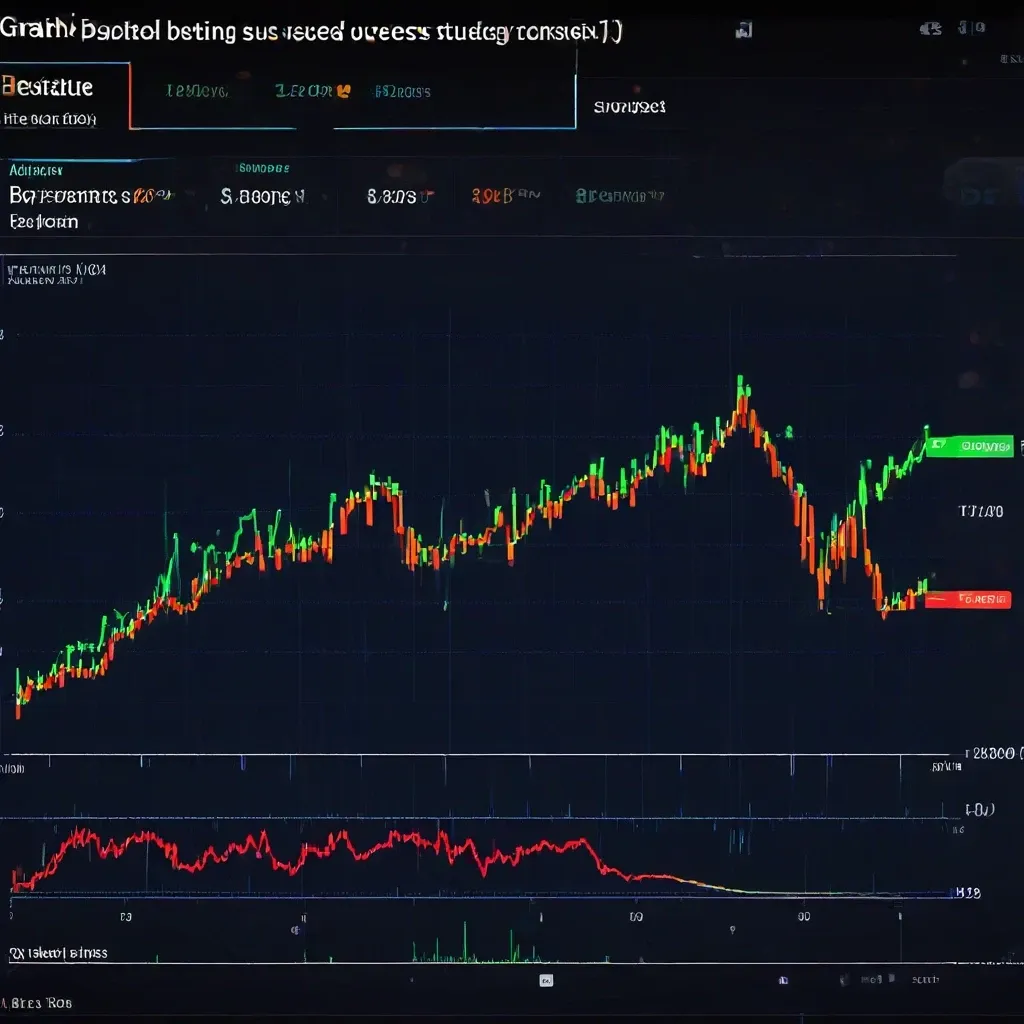
Betting randomly can be seen as a 50/50 chance that may result in a break even in the long run. However, identifying and consistently taking value bets, where your perceived probability of winning is higher than the implied probability, creates a curve that gradually increases over time, as seen in the image below:
Essential Data and Resources for Finding Value
To consistently identify value in sports betting, gathering and analyzing comprehensive data is essential. This encompasses a range of factors, from readily available statistics to more nuanced information that can provide a crucial edge.
Key Data Points to Consider:
- Betting Statistics: Analyzing historical betting data, including odds movements and payout percentages, can reveal trends and biases in the market.
- Team/Player Form: Recent performance is a strong indicator of future success. Factors such as win streaks, goal differentials, and individual player statistics should be closely monitored.
- Injuries: Player injuries have a significant impact on team performance. Staying updated on injury reports and understanding the potential impact of key absences is crucial.
- Sports News: Breaking news, team announcements, and expert opinions can provide valuable insights into team morale, strategic changes, and potential upsets.
- External Factors: Weather conditions, venue characteristics, and even crowd sentiment can influence game outcomes.
Value Betting Resources:
The following resources can aid in gathering and analyzing sports betting data:
- Free Statistical Databases: Websites that offer free access to historical sports statistics. These resources are a good starting point for basic research.
- Sports News Aggregators: Apps and websites that compile sports news from various sources, ensuring you stay informed about the latest developments.
- Weather Reports: Accessing reliable weather forecasts for the game location can help assess the potential impact on gameplay.
- Specialized Analytics Platforms (Paid): These platforms offer advanced statistical analysis, predictive models, and customized data feeds for a subscription fee. While requiring investment, they can provide a significant advantage for serious value bettors.
By utilizing these data points and resources, bettors can make more informed decisions, identify discrepancies in the odds, and ultimately increase their chances of finding value in the sports betting market.

Advanced Techniques for Identifying Value Bets Quickly
Finding value bets quickly requires moving beyond basic odds comparison. Advanced techniques offer a significant edge, allowing bettors to react faster and more accurately to market inefficiencies. These techniques include leveraging betting exchanges, building custom odds compilers, and intensely analyzing line movements.
Betting exchanges provide a unique marketplace where bettors can both back (bet on) and lay (bet against) outcomes. This peer-to-peer betting often results in better odds than traditional bookmakers offer. Actively monitoring betting exchanges for discrepancies is crucial. Look for situations where the odds on an exchange are significantly higher than those offered by bookmakers. Snapping up these higher odds represents a clear value opportunity.
Custom odds compilers are another powerful tool. These involve creating your own system for predicting the probability of an event occurring. The first step is collecting relevant data. This could include historical statistics, team form, injury reports, and even weather conditions. Next, choose a statistical model appropriate for the sport you’re analyzing. Then, use available APIs to automate data collection and feeding it into your model. By comparing your compiled odds to those offered by bookmakers, you can identify potential value bets where your model indicates a higher probability than the implied probability of the bookmaker’s odds.
Line movement analysis involves tracking changes in odds over time. Significant and sudden shifts often indicate new information or a surge of money on one side of a bet. Learning to interpret these movements can provide valuable insights. For instance, a sharp decrease in odds for a particular team might suggest a key player has recovered from injury, or a significant investment by informed bettors. Analyzing the reasons of this move is paramount before taking positions. Understanding the catalyst behind line movements allows you to anticipate future shifts and capitalize on temporarily mispriced odds.
Utilizing Statistical Models and Algorithms
Statistical models and algorithms elevate value betting to a new dimension. These tools use predictive analytics to forecast outcomes with greater precision. Regression analysis, for example, can identify correlations between various factors which one must bet on and the outcome of a match. Machine learning algorithms, particularly neural networks, can learn from vast datasets to predict results and trends.
Creating a statistical model involves several key steps. Firstly, define the problem you’re trying to solve. Secondly, gather historical data relevant to your sport or market. Thirdly, choose an appropriate statistical model or algorithm. Fourthly, train the model using your historical data, tuning its parameters to optimize its accuracy. Finally, backtest your model using historical data to evaluate its performance and identify areas for improvement.
Constantly adapting your models is vital. The information landscape in sports like team compositions and tactics, is always evolving. Regularly update your data and retrain your models to maintain their predictive power. By monitoring the performance of your models, tracking their accuracy, and identifying any biases, it can be guaranteed to identify value bets and maximize profitability.
Risk Management and Bankroll Strategy
Smart betting isn’t just about picking winners; it’s about protecting your capital and maximizing long-term profits. Think of your betting bankroll as an investment portfolio. Without proper risk management, even the sharpest value bettor can quickly go bust. A solid bankroll strategy acts as your shield against variance and ensures you’re always in the game.
The Foundation: Bankroll Management
Bankroll management simply means allocating a specific amount of money exclusively for betting purposes and then carefully controlling how you wager that money. This prevents you from dipping into essential funds and keeps your emotions in check during losing streaks. A common recommendation is to start with a bankroll that you can afford to lose without significantly impacting your lifestyle.
Staking Plans: Finding the Right Fit
Staking plans are the engine of your bankroll strategy, dictating how much you bet on each opportunity. Several approaches exist, each with its own risk-reward profile:
- Flat Stakes: This is the simplest method, involving wagering the same fixed amount on every bet, regardless of perceived value or confidence level. It’s easy to implement, making it suitable for beginners, but it doesn’t capitalize on stronger value bets.
- Kelly Criterion: This more advanced strategy calculates the optimal bet size based on your perceived edge and the odds offered. While potentially maximizing growth, it can be aggressive and requires accurate assessment of probabilities. Modified versions, like fractional Kelly, are often preferred to reduce volatility.
Calculating Bet Size and Managing Risk
The key to any staking plan is understanding its relationship to your bankroll and perceived edge. With flat stakes, a conservative approach involves betting 1-2% of your bankroll per bet. The Kelly Criterion formula, while complex, aims to identify the percentage of your bankroll to wager for optimal growth. Remember, accurately estimating your edge is crucial; overestimating can lead to over-betting and increased risk.
Emotional Discipline: The Unsung Hero
Even the best staking plan can crumble under emotional pressure. Avoid chasing losses with larger bets or deviating from your strategy based on gut feelings. Maintaining a clear head, sticking to your predetermined rules, and viewing betting as a long-term endeavor are essential for consistent success. Remember, patience and discipline are your greatest allies in the world of value betting.

Common Pitfalls and How to Avoid Them
Even seasoned value bettors stumble. Betting is a complex thing, and avoiding missteps is crucial for long-term profitability. One of the most dangerous traps is chasing losses. After a bad run, the urge to recoup everything quickly can lead to reckless bets and bigger deficits. It’s vital to stick to your pre-defined strategy, regardless of recent results. Accept that losses are part of the game, and resist the temptation to increase stake sizes or deviate from your system out of desperation.
Another common mistake is over-reliance on specific data points while ignoring the bigger picture. A statistical edge is important, but it’s not the only factor. External influences like weather conditions, player morale, or even a change in team management can significantly impact outcomes. Value betting needs a holistic approach, considering both quantitative data and qualitative insights. Don’t let the numbers blind you to the realities on the ground.
Confirmation bias is insidious. This is the tendency to seek out and interpret information that confirms pre-existing beliefs, while dismissing contradictory evidence. Bettors might cherry-pick stats that support their chosen outcome, ignoring other data that suggests otherwise. To combat this, consciously seek out opposing viewpoints and be willing to adjust your assessment based on new information. Objectivity is your biggest weapon.
Overconfidence, fueled by a few successful bets, can also lead to poor decisions. As can emotions. It’s important to stay grounded, continually question your assumptions, and avoid letting ego cloud your judgment. Maintaining discipline and a rational mindset is key to navigating the ups and downs of sports betting. Remember, value betting is a marathon, not a sprint. It requires patience, consistency, and a willingness to learn from your mistakes.
Conclusion
In conclusion, achieving lasting success in value betting isn’t about overnight riches; it’s a marathon, not a sprint. It demands consistent effort, a commitment to continuous learning, and, crucially, disciplined risk management. This means diligently seeking out those overlooked opportunities where the odds offered by bookmakers don’t accurately reflect the true probability of an event occurring. But finding those edges is just the first step.
Value betting hinges on a deep understanding of the sports you’re betting on, a knack for statistical analysis, and the emotional fortitude to stick to your strategy even when faced with inevitable losing streaks. Refine your understanding of probabilities, hone your analytical skills, and always bet responsibly, keeping your stakes proportional to your bankroll. Remember that value betting thrives on identifying and exploiting discrepancies, a skill that sharpens with practice and experience.
For those eager to delve deeper into the world of strategic betting and refine their skills further, explore our other guides covering topics such as bankroll management, advanced statistical analysis, and the psychology of betting. Embrace the journey, stay curious, and with consistent application of these principles, you will pave the way for a more profitable betting experience.